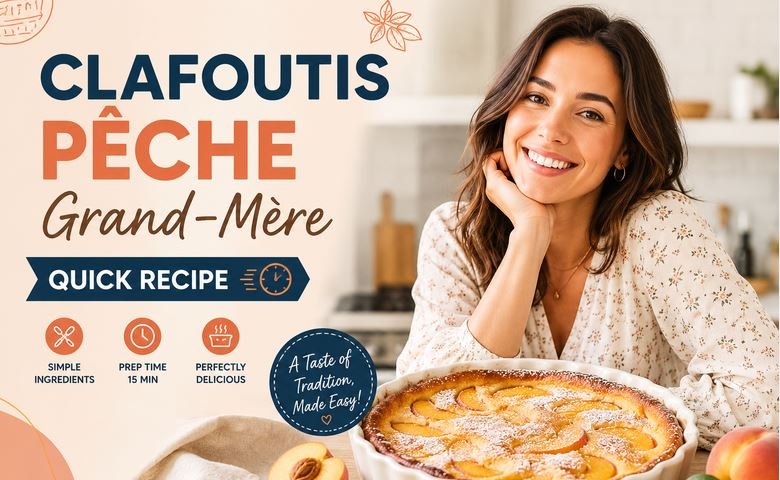
Clafoutis pêche grand-mère represents one of France’s most beloved rustic desserts, passed down through generations in family kitchens. This simple yet elegant fruit-based bake combines tender peach slices with a delicate, custardy batter that transforms into something magical in the oven. The beauty of this dessert lies in its unpretentious nature—it requires basic pantry ingredients and minimal cooking skills, yet delivers results that taste like you’ve studied under a professional pastry chef.
The term “grand-mère” literally means grandmother, reflecting how this recipe has been treasured and adapted within French families for decades. While traditional clafoutis originated with black cherries in the Limousin region, the peach version offers a lighter, more delicate flavor profile that resonates with modern palates.
Key Takeaways
- Clafoutis pêche grand-mère is a traditional French dessert featuring fresh peaches in a custardy batter that bakes into a perfectly golden cake.
- The recipe requires only seven basic ingredients and takes less than 10 minutes to prepare before baking.
- Unlike other desserts, clafoutis actually improves in texture when served at room temperature or lightly chilled the following day.
- The grandmother’s version emphasizes simplicity over complexity, using fresh seasonal fruit and avoiding overly sweet flavor profiles.
- Perfecting the batter consistency and using ripe, flavorful peaches are the two most critical factors for success.
Quick Answer
Clafoutis pêche grand-mère is a French baked dessert featuring ripe peaches embedded in a creamy, custardy batter. It’s made by layering fresh peach slices in a buttered baking dish, pouring a simple mixture of eggs, flour, milk, and sugar over them, then baking at 400°F for 35-45 minutes until golden and set. The result is a warm, fruit-forward dessert that’s equally suited for casual family dinners or elegant gatherings.
What Is Clafoutis Pêche Grand-Mère?
Clafoutis pêche grand-mère is a French fruit cake or baked custard that centers around fresh peaches as its star ingredient. The dish features a batter that resembles a cross between a pancake and a crème brûlée, achieving a custardy texture when baked. The peaches sink into the batter during baking, creating pockets of juicy fruit throughout.
The defining characteristic of this dessert is its simplicity. Unlike elaborate French pastries that require specialized techniques or multiple components, clafoutis comes together with straightforward ingredients stirred together in a single bowl. The oven does most of the work, transforming humble components into something that tastes far more sophisticated than its ingredient list suggests.
Texture plays a crucial role in understanding this dessert. The exterior develops a light, cake-like crust when baked, while the interior remains slightly custardy and moist. This contrast makes clafoutis distinctly different from standard cakes or flans, positioning it in its own unique category within French pastry traditions.
Nutritional Profile
A typical serving of clafoutis pêche grand-mère contains approximately 220-250 calories, with the majority coming from carbohydrates and healthy fats. Fresh peaches contribute natural sugars, fiber, and essential vitamins like vitamin C and potassium. The eggs in the batter provide protein and choline, supporting overall nutritional balance.
Unlike many desserts, this dish offers genuine nutritional value from the fruit component, making it feel less indulgent than many alternatives. This quality has contributed to its staying power in French cuisine over centuries.
The History and Origin of This Classic Dessert
Clafoutis originated in the Limousin region of central France during the 19th century. Early versions featured black cherries, which grew abundantly in the area and represented the summer season’s arrival. The name itself derives from the Occitan word “clafir,” meaning to fill, reflecting how fruit fills the batter.
The peach variation emerged later as cooks adapted the recipe to work with whatever fruit was available seasonally. The designation “grand-mère” (grandmother) reflects the dessert’s evolution from professional kitchens to family home cooking. Rather than being a refined restaurant dish, it became something grandmother’s made for their families using traditional methods passed down through generations.
Cultural Significance
In French culture, clafoutis represents a bridge between everyday home cooking and the country’s celebrated culinary traditions. It occupies the space between rustic farmhouse food and refined dessert, embodying the French philosophy that exceptional taste doesn’t require complexity.
The grandmother’s version specifically emphasizes authenticity over presentation. While modern pastry chefs may garnish and plate clafoutis with precision, traditional preparations keep the dessert in its baking dish, served family-style with a light dusting of powdered sugar—a straightforward presentation that lets the flavors speak for themselves.
Essential Ingredients for Authentic Clafoutis Pêche Grand-Mère
The magic of clafoutis pêche grand-mère emerges from ingredient quality rather than ingredient quantity. Each component plays a specific role in developing flavor and achieving proper texture.
Core Ingredients
Fresh peaches (4-5 medium) Choose ripe but still slightly firm peaches at peak season. The fruit should yield slightly to gentle pressure but maintain structure enough to slice cleanly. Underripe peaches lack flavor complexity, while overripe fruit becomes mushy during baking. If quality fresh peaches aren’t available, frozen peaches (thawed and drained) work adequately, though fresh always delivers superior results.
All-purpose flour (3/4 cup) Flour provides structure to the batter, preventing it from becoming too custard-like. Use unbleached all-purpose flour for the most natural flavor. Don’t substitute cake flour, which creates excessive softness and prevents proper baking.
Eggs (4 large) Eggs serve dual purposes—they bind ingredients together while creating the custard-like texture that distinguishes clafoutis from standard cakes. Room-temperature eggs incorporate more smoothly into the batter, promoting even texture in the finished dessert.
Whole milk (1 cup) Milk creates the liquid base for the batter, contributing to that characteristic custardy interior. Whole milk works best for richer flavor and proper moisture content. Low-fat alternatives produce noticeably drier results.
Granulated sugar (1/2 cup) Sugar sweetens the batter and plays a secondary role in promoting browning. Using slightly less sugar than traditional French recipes results in a dessert that highlights the peaches’ natural flavor rather than masking it with excessive sweetness.
Butter (3 tablespoons) Butter greases the baking dish and contributes richness to the batter. Unsalted butter allows you to control the salt level precisely. Melt it before adding to the batter for smooth incorporation.
Vanilla extract (1 teaspoon) and salt (pinch) These flavor enhancers round out the batter’s taste profile without overwhelming the delicate fruit. Quality vanilla extract makes a noticeable difference in the final result.
Optional Flavor Additions
Ground cardamom, nutmeg, or cinnamon can add depth without overwhelming the peach flavor. Many grandmother’s recipes include a tablespoon of almond liqueur or peach schnapps for subtle complexity.
Step-by-Step Recipe Instructions
Preparation Phase (5-8 minutes)
- Preheat your oven to 400°F (200°C). Position the rack to the middle level, ensuring even heat distribution during baking.
- Prepare the baking dish by coating a 9-inch round or 8×10-inch rectangular baking dish with softened butter, reaching all corners and edges. This prevents sticking and promotes even browning on the sides.
- Prepare the peaches by rinsing them under cool water. Cut each peach in half along the seam, remove the pit, then slice into quarters or 1/2-inch wedges. You should have approximately 4 cups of prepared peaches. Don’t peel them—the skin adds texture and nutrients.
Batter Preparation (3-5 minutes)
- Combine dry ingredients in a medium mixing bowl: whisk together the flour and salt, breaking up any small lumps. This prevents flour lumps in the finished batter.
- Create the wet ingredient mixture by whisking eggs in a separate large bowl until pale and frothy, approximately 1-2 minutes of vigorous whisking. Add the melted butter and vanilla extract, whisking until combined.
- Add the milk gradually to the egg mixture, whisking continuously to maintain smoothness. The batter should reach a consistency resembling thick pancake batter—pourable but not thin like regular milk.
- Incorporate dry ingredients by pouring the flour mixture into the wet ingredients, folding gently with a spatula until just combined. Stop folding as soon as no visible flour streaks remain. Overmixing develops excessive gluten, resulting in a tougher, more cake-like texture.
Assembly and Baking
- Distribute peach slices evenly across the prepared baking dish, arranging them in a single layer when possible. Pour the batter over the peaches until they’re nearly covered, but individual fruit pieces should remain slightly visible at the surface.
- Transfer to the oven and bake for 35-45 minutes. The clafoutis is finished when the top appears golden brown and a knife inserted into the batter portion comes out clean or with just a few moist crumbs. The edges should puff slightly and pull away from the dish sides.
- Cool briefly for 5-10 minutes before serving. The clafoutis will deflate slightly as it cools, which is completely normal and expected.
Expert Tips for Perfect Results
Selecting Peak-Season Peaches
The single most important factor in successful clafoutis is peach quality. Visit farmers’ markets at the height of peach season (late July through August in most regions) and select fruit from vendors who can tell you where it was grown. Local peaches picked at proper ripeness deliver incomparably better flavor than supermarket fruit that was picked underripe for shipping.
Achieving Perfect Batter Consistency
Your batter should reach a pourable consistency without being runny. If the batter seems too thick, whisk in an additional tablespoon of milk at a time until you reach the right consistency. Proper batter consistency ensures the interior stays custardy while the exterior develops structure.
Temperature Control
Oven temperature accuracy matters significantly. If your oven runs hot or cool, invest in an inexpensive oven thermometer to verify actual temperature. An oven that’s even 25°F off in either direction can dramatically affect baking time and browning patterns.
Don’t Skip Resting Time
Letting the batter rest for 10-15 minutes before baking improves texture noticeably. This rest allows flour particles to fully hydrate, promoting a more tender, evenly-cooked result. Use this time to relax and admire your work.
Serve at the Right Temperature
Clafoutis tastes exceptional at room temperature or lightly chilled. Serving immediately from the oven when it’s piping hot actually masks some flavor complexity. Allow it to cool completely, then briefly chill if desired, for optimal flavor development.
Common Mistakes to Avoid
Overmixing the Batter
Developing too much gluten by overmixing creates a tough, cake-like crumb instead of the desired tender, custard-like texture. Mix just until streaks of flour disappear, then stop immediately.
Using Underripe Fruit
Underripe peaches contribute minimal flavor and remain somewhat tough during baking. They transform an otherwise elegant dessert into something bland and disappointing. Always wait for fruit at peak ripeness.
Opening the Oven Door
Resist the urge to peek during the first 25 minutes of baking. Oven door openings cause temperature fluctuations that can result in uneven baking and a more cake-like rather than custardy texture.
Excessive Sugar
Following traditional recipes that call for 3/4 cup or more sugar can mask delicate peach flavors. Modern palates generally prefer subtle sweetness that allows the fruit to shine. Start with 1/2 cup and adjust upward if needed for your family’s preferences.
Forgetting the Salt
A tiny pinch of salt enhances all other flavors without creating a salty taste. Many home bakers skip this ingredient, resulting in flat, one-dimensional flavor profiles.
Variations on the Classic Recipe
Mixed Stone Fruit Version
Substitute half the peaches with nectarines, plums, or apricots for a more complex fruit profile. The combination of different stone fruits creates interesting flavor variations while maintaining the dessert’s essential character.
Lavender-Infused Clafoutis
Steep 1 tablespoon of dried culinary lavender in the milk for 10 minutes, then strain before incorporating into the batter. This Provence-inspired variation adds floral notes that complement peach beautifully.
Almond Variation
Replace 1/4 cup of flour with finely ground almonds and add 1/4 teaspoon of almond extract. This creates a slightly richer texture with deeper flavor complexity that appeals to those who enjoy nutty desserts.
Liqueur-Enhanced Version
Add 2 tablespoons of peach schnapps, amaretto, or cognac to the batter. Alcohol adds complexity without making the dessert taste alcoholic when baked off properly.
Gluten-Free Adaptation
Substitute all-purpose flour with a quality gluten-free flour blend designed for baking. Most blends work well at a 1:1 ratio, though baking time may require slight adjustment.
Serving Suggestions and Pairings
The Traditional Presentation
Serve clafoutis pêche grand-mère directly from its baking dish, dusted lightly with powdered sugar and perhaps a fresh mint leaf for color. This rustic presentation honors the dessert’s humble grandmother’s kitchen origins while allowing diners to serve themselves.
Beverage Pairings
A cup of strong black tea complements the dessert’s delicate fruit flavors beautifully. For evening gatherings, a slightly sweet Moscato d’Asti or Cava offers refreshing contrast. French diners often pair clafoutis with a small glass of cold milk or light cream.
Accompaniments
A dollop of crème fraîche or lightly sweetened whipped cream adds richness without overwhelming the fruit. A scoop of vanilla bean ice cream creates a more decadent presentation suitable for special occasions. Some regions serve a drizzle of honey or a spoonful of clotted cream on the side.
Occasion Flexibility
The beauty of clafoutis pêche grand-mère is its flexibility across occasions. It works equally well for casual family dessert, elegant dinner party finales, outdoor summer entertaining, or even breakfast celebrations. Its rustic sophistication suits nearly any dining context.
Storage and Shelf Life
Room Temperature Storage
Properly covered with a kitchen towel or cake dome, clafoutis keeps at room temperature for one full day without quality degradation. The texture actually improves as it sits, becoming slightly denser and more flavorful as flavors meld.
Refrigerator Storage
Covered tightly, refrigerated clafoutis maintains quality for 3-4 days. The cold temperature mutes flavors somewhat, so remove from refrigeration 30 minutes before serving to allow flavors to fully express themselves. If serving chilled is your preference, reduce the resting time accordingly.
Freezing Guidelines
Clafoutis freezes adequately for up to 3 months in an airtight container or wrapped tightly in plastic wrap and foil. Thaw overnight in the refrigerator before serving. Texture remains decent though slightly different from freshly baked versions.
Do-Ahead Strategy
You can assemble clafoutis completely (peaches in prepared dish with batter poured over) several hours before baking. Cover the dish tightly with plastic wrap and refrigerate. Add 5-10 minutes to baking time if baking from refrigerated state.
FAQs
Can I make clafoutis with canned peaches?
Yes, canned peaches work when fresh fruit isn’t available, though results won’t match fresh peach versions. Drain canned peaches thoroughly and pat dry to remove excess liquid that could affect batter consistency. Use the same quantity as fresh peaches. The dessert remains tasty but loses the delicate flavor complexity that makes fresh fruit versions special.
What temperature should clafoutis be for serving?
Room temperature or lightly chilled (around 65-70°F) brings out maximum flavor complexity. Serving piping hot from the oven, while tempting, masks some subtle taste notes. If you prefer warm clafoutis, remove from oven and cool for 15-20 minutes before serving.
Can I prepare clafoutis the day before?
Yes, you can make clafoutis completely the day before serving. Store it covered at room temperature or in the refrigerator, then serve chilled or bring to room temperature before serving. The flavors actually deepen overnight as ingredients meld together.
Why is my clafoutis too cake-like instead of custardy?
This typically results from overmixing the batter (which develops gluten) or using too much flour. Ensure you mix just until flour disappears visually. If your flour measurement was generous, reduce it slightly next time. Baking temperature that’s too high also creates cakier results.
Can I use a different type of fruit?
Yes, virtually any fruit works beautifully. Cherries (the original), apples, pears, berries, or plums all work well. Adjust sugar quantities based on fruit sweetness and tartness. Berries may release more liquid, so drain them before using.
Is clafoutis considered French peasant food?
Absolutely. Clafoutis represents authentic French peasant cooking—making something delicious from basic pantry staples and seasonal fruit. This humble origin is precisely why it maintains such beloved status across French culture and beyond.
How do I know when my clafoutis is fully baked?
Look for a golden-brown top and slight puffiness around the edges. A knife inserted into the batter (not through fruit) should come out clean or with just a few moist crumbs. The center should jiggle very slightly when you gently shake the dish—if it seems completely set, it may be slightly overbaked.
What’s the difference between clafoutis and flan?
Flan is a custard-based dessert with a distinct caramel top, while clafoutis is a fruit-forward baked custard where fruit is built into the dessert itself. Clafoutis contains more flour than flan, creating a cake-like exterior. Flan requires careful water bath baking, while clafoutis bakes directly in its dish.
Conclusion
Clafoutis pêche grand-mère represents everything beautiful about French home cooking—simplicity elevated into sophistication. This traditional dessert proves that exceptional results don’t require complicated techniques or extensive ingredient lists. Instead, quality ingredients treated respectfully and baked with attention create magic.
Whether you’re baking for your first time or reconnecting with a family recipe, clafoutis pêche grand-mère delivers reliable success when you respect its essential character. Start with peak-season peaches, follow these instructions, and allow the natural flavors to shine without fussy embellishment.
This is the dessert your grandmother might have made, served with pride in its unpretentious elegance. Now you carry on that tradition, creating memories around a warm dish of peaches and custard that taste like generations of care and attention.
