Performance marketing has shifted toward formats that prioritize scale, speed, and measurable ROI over brand perception. Traditional display ads continue to lose effectiveness due to banner blindness, ad blockers, and rising CPM costs. In contrast, high-performance formats such as popunder, push notifications, native ads, and smartlinks dominate affiliate and arbitrage ecosystems.
Platforms like are built specifically around these formats, offering advertisers direct access to scalable traffic sources and real-time optimization through RTB infrastructure.
This analysis compares the four core formats used in performance advertising, focusing on CTR, conversion rate (CR), traffic quality, scalability, and use cases.
1. Popunder Ads — Maximum Volume at Minimal Cost
Mechanism
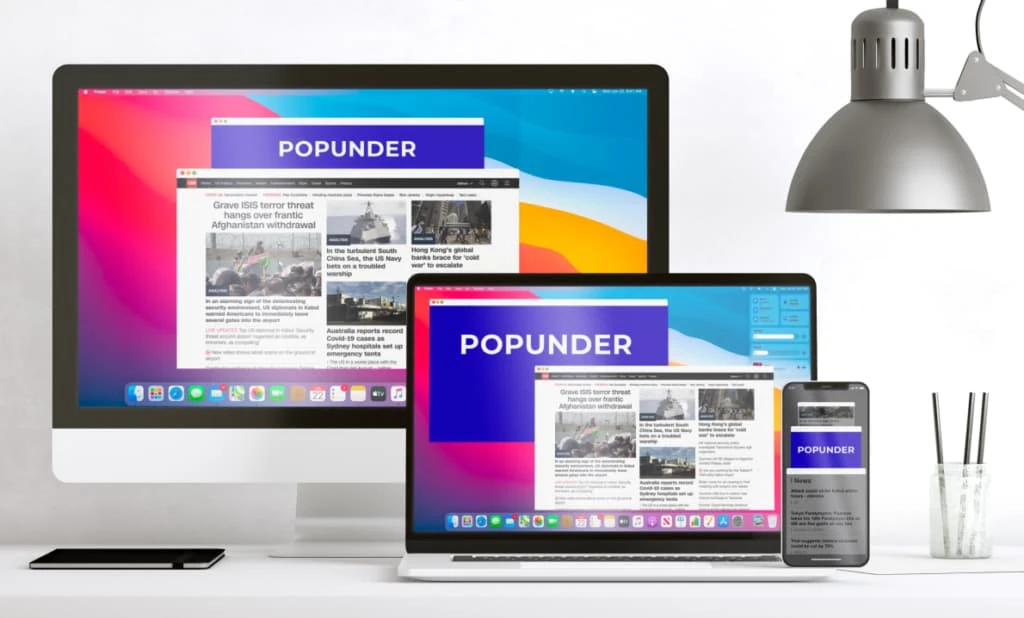
Popunder ads open a new browser window behind the active tab. The user only sees it after closing or minimizing the main window.
Key Characteristics
- Extremely high impression volume
- Low CPM / CPC
- Minimal user intent
- Works across almost all geos and devices
Performance Metrics
- CTR: High (forced exposure)
- CR: Low to medium (depends on funnel quality)
- Cost: Very low
Advantages
- Ideal for mass traffic generation
- Cheap testing of offers and funnels
- Works well in Tier 2–3 geos
- No dependency on creatives (landing page does the job)
Limitations
- Lower user engagement
- Often considered intrusive
- Requires strong pre-landing funnels to convert
Best Use Cases
- Sweepstakes
- Gambling / betting
- Adult traffic
- Crypto offers (broad targeting)
2. Push Ads — Scalable Retargeting Layer

Mechanism
Push ads are browser or mobile notifications sent to users who previously subscribed.
Key Characteristics
- Opt-in audience
- Delivered outside websites
- Works on both desktop and mobile
- Retargeting-friendly
Performance Metrics
- CTR: Medium to high
- CR: Medium
- Retention: High (repeat exposure possible)
Advantages
- Continuous traffic flow (not session-based)
- Better engagement than popunder
- Ability to build long-term audience pools
- Fast campaign launch
Limitations
- Creative fatigue (ads burn quickly)
- Requires constant refresh of creatives
- Audience quality depends on source
Best Use Cases
- Subscription-based offers
- Nutra / health products
- Finance / loans
- Crypto updates and signals
3. Native Ads — Higher Intent, Better Conversions

Mechanism
Native ads are embedded within content feeds, designed to match the look and feel of the platform.
Key Characteristics
- Non-intrusive
- Content-driven
- Requires strong creatives (headline + image)
- Often placed on news or blog-style sites
Performance Metrics
- CTR: Medium
- CR: High (compared to pop/push)
- User intent: Higher
Advantages
- Better trust and credibility
- Lower ad fatigue compared to push
- Strong for storytelling funnels
- Works well in Tier 1 geos
Limitations
- Higher cost per click
- Requires copywriting skills
- Slower testing cycle
Best Use Cases
- E-commerce products
- SaaS / digital tools
- Health and wellness
- Long-form affiliate funnels
4. Smartlink — Automated Monetization Engine
Mechanism
Smartlink is a dynamic URL that automatically redirects users to the best-performing offer based on GEO, device, and behavioral data.
Key Characteristics
- No need to choose specific offers
- Auto-optimization via algorithms
- Plug-and-play solution
Performance Metrics
- CTR: Depends on traffic source
- CR: Optimized dynamically
- ROI: Stable over time
Advantages
- Eliminates manual optimization
- Ideal for beginners and scaling
- Maximizes revenue per visitor
- Works with mixed traffic sources
Limitations
- Less control over funnel
- Lower margins compared to manual optimization
- Dependence on platform algorithm
Best Use Cases
- Arbitrage traffic
- Remnant traffic monetization
- Beginners in affiliate marketing
- Scaling without deep analytics
Direct Comparison
| Format | CTR | CR | Cost | Scalability | Complexity |
|---|---|---|---|---|---|
| Popunder | Very High | Low–Medium | Very Low | Very High | Low |
| Push Ads | Medium | Medium | Low | High | Medium |
| Native Ads | Medium | High | Medium–High | Medium | High |
| Smartlink | Variable | Optimized | Variable | Very High | Very Low |
Strategic Insights
1. No Universal Winner
Each format serves a different stage of the funnel:
- Popunder → traffic generation
- Push → retention and re-engagement
- Native → conversion
- Smartlink → automation
2. Hybrid Approach Wins
Top advertisers combine formats:
- Popunder for initial traffic
- Push for follow-ups
- Native for high-intent users
- Smartlink for monetizing leftovers
3. Speed vs Quality Trade-off
- Popunder and push prioritize speed and scale
- Native prioritizes quality and trust
- Smartlink balances both through automation
Where GTARoads Fits In
Positions itself as a performance-focused ad network centered around these exact formats. Its infrastructure is built to support:
- Real-time bidding (RTB) traffic distribution
- Multi-format campaign management
- Smartlink-based monetization
- High-volume traffic delivery
Unlike traditional ad platforms focused on brand safety and strict moderation, GTARoads operates in a performance-first environment. This allows:
- Faster campaign approvals
- Access to aggressive traffic formats
- Easier scaling across multiple geos
The platform is particularly relevant for:
- Affiliate marketers
- Media buyers
- Arbitrage specialists
Practical Recommendations
If the goal is cheap testing:
→ Use popunder
If the goal is audience building:
→ Use push ads
If the goal is high ROI per user:
→ Use native ads
If the goal is automation:
→ Use smartlink
Final Takeaway
High-performance advertising is no longer about choosing a single format. It’s about combining multiple traffic sources into a unified system that balances cost, scale, and conversion.
Popunder delivers volume.
Push maintains engagement.
Native drives conversions.
Smartlink automates revenue.
Platforms like GTARoads integrate all four into one ecosystem, making them a central tool for modern performance marketing strategies focused on measurable growth rather than brand visibility.
