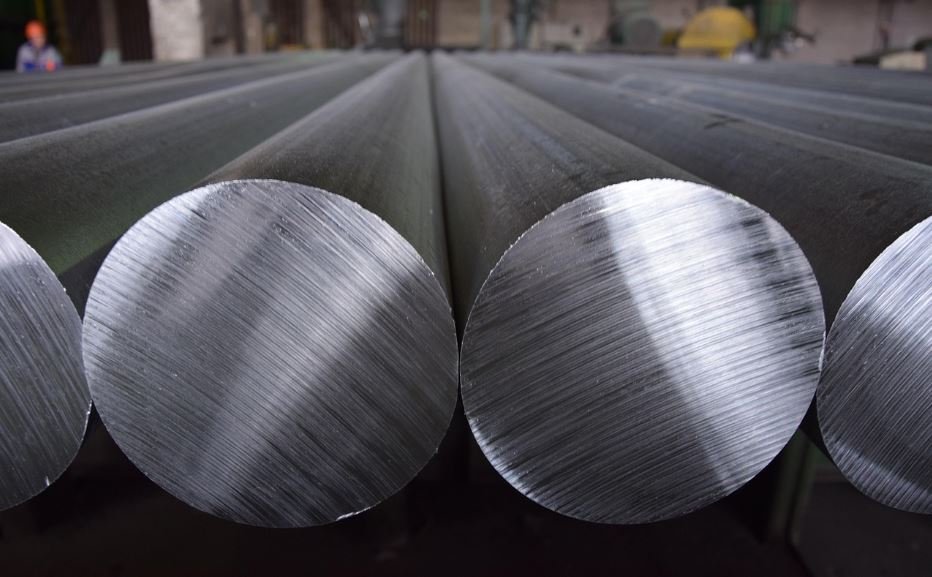
Many everyday products, from vehicle housings to smartphone components, rely on a process that shapes modern industry. Aluminum die casting enables high-volume production of precise, lightweight parts that leave the mold ready for finishing and assembly across global supply chains.
Over the last decade, pressure from electric mobility, consumer electronics and industrial automation has pushed die cast parts into new roles, demanding tighter tolerances and smarter production cells. At the same time, policymakers and customers are asking where materials come from and how they are produced, so aluminum die casting plants are rethinking energy use, scrap management and traceability to remain competitive in a changing market.
What aluminum die casting is and why it matters
Aluminum die casting is a manufacturing process in which molten aluminum is injected at high pressure into hardened steel molds, known as dies, to create parts with repeatable shapes and tight dimensions. Industry groups and technical resources, including the North American Die Casting Association, have helped standardize terminology, share best practices and promote safety guidelines that support foundries and their customers across North America.
Core advantages for manufacturers
Because the metal solidifies quickly inside the die, the process can deliver thin walls, complex geometries and smooth surfaces while keeping cycle times short. These capabilities make aluminum die casting a preferred option for components such as transmission housings, motor enclosures, heat sinks and brackets, where dimensional stability, corrosion resistance and weight reduction all matter at the same time.
How an aluminum die casting cell operates
On the shop floor, a typical aluminum die casting cell brings together furnaces, shot sleeves, clamping units and trimming presses, all coordinated by sensors and programmable logic controllers. By tuning injection speed, pressure and cooling time, operators balance productivity with quality, and in many plants a specialized aluminum die casting company works alongside engineering teams to refine parameters for each new tool design.
From alloy choice to inspection
Before a part reaches that stage, engineers decide which alloy fits the application, considering strength, ductility, thermal behavior and cost. They design gating and venting so molten metal fills the cavity efficiently, then plan machining allowances, surface treatments and inspection routines, recognizing that every decision in early design can influence long-term performance and warranty risk.
Design and quality factors in aluminum die casting
Design for manufacturability has become a critical topic as castings replace multi-part assemblies, especially in electric vehicles and compact industrial equipment. Thoughtful choices on wall thickness, ribbing, draft angles and fillets help the metal flow smoothly and reduce stress concentrations, while clear datums and reference surfaces simplify downstream machining and assembly in automated environments.
Non-destructive testing, X-ray inspection and computed tomography are increasingly used on critical castings, especially in structural and safety-related applications. By combining these tools with statistical process control, quality teams can link specific machine settings and tool conditions to the appearance of internal voids or surface defects, making it easier to correct root causes instead of sorting out bad parts later.
Preventing defects before they reach customers
Quality teams focus on preventing rather than reacting to typical die casting defects, such as porosity, misruns, cold shuts or flash on parting lines. Modern cells can integrate vacuum systems, thermal imaging and real-time shot monitoring, so technicians see trends in fill time or metal temperature and intervene early instead of waiting for scrap reports or customer claims.
Sustainability trends in aluminum die casting
Environmental expectations are reshaping aluminum die casting just as strongly as mechanical requirements. Because aluminum can be remelted repeatedly, many plants rely on recycled feedstock and closed-loop scrap systems, while energy-efficient furnaces, improved insulation and better process control reduce gas and electricity consumption without sacrificing output.
Documentation, regulation and customer pressure
Regulatory frameworks and customer audits are also pushing foundries to document emissions, waste handling and worker safety more thoroughly. Automakers, appliance brands and industrial buyers increasingly ask for lifecycle data, encouraging casting facilities to track everything from alloy certificates to packaging materials so they can demonstrate that the components inside finished products align with broader sustainability commitments.
Workforce skills and innovation in aluminum die casting
As aluminum die casting lines become more automated, workforce skills are changing, yet human expertise remains central to safe and reliable production. Technicians and engineers now split their time between the press and the control screen, interpreting sensor data, adjusting programs and coordinating maintenance work, so cross-training in machining, controls and quality methods is becoming a practical necessity rather than a desirable extra on a resume.
Training programs in many regions are starting to reflect this shift, combining foundational knowledge about molten metal handling with modules on robotics, PLC programming and basic data analysis. Short courses, apprenticeships and partnerships with technical colleges help casting facilities build teams that understand why parameters matter, not just which buttons to press, which in turn supports more stable processes and lower scrap rates over time.
Alongside formal education, day-to-day problem solving on the plant floor continues to play a decisive role. When operators, maintenance staff and quality engineers review defects together, they can connect issues such as intermittent porosity or die solder to real conditions in the cell, from spray patterns to vent cleanliness, and this shared understanding of root causes often leads to practical improvements that are easy to standardize.
Innovative plants are also experimenting with digital tools that present information in a more accessible way. Dashboards that highlight key indicators, alerts that flag out-of-range temperatures and mobile devices that give supervisors real-time access to production data make it easier to catch emerging issues; however, these tools are most effective when teams are encouraged to question, interpret and refine the way information is displayed.
Safety training remains a recurring theme, since aluminum die casting involves high temperatures, hydraulic systems and moving robots, and companies that reinforce lockout procedures, personal protective equipment and clear communication protocols tend to experience fewer incidents, more consistent staffing levels and greater confidence among employees when they adapt to new molds or updated cell layouts.
Future directions for aluminum die casting
Looking ahead, the spread of electric drivetrains, advanced driver assistance systems and 5G infrastructure is likely to increase demand for complex aluminum castings. Larger structural parts, integration of cooling channels and mounting points and the shift toward consolidated assemblies mean tooling strategies, simulation tools and measurement systems must keep pace with what designers now expect from a single casting.
Digital tools are reshaping planning as well, with simulation software, digital twins of casting cells and connected sensors providing up-to-the-minute information on machine health, cycle counts and scrap trends. This data-driven view of aluminum die casting operations allows managers to test scenarios virtually before changing parameters on the floor, reducing risk and shortening trial periods.
At the same time, automation, data analytics and workforce development are becoming as important as metallurgical expertise. Plants that invest in training, collaborative robots, cell-level data collection and partnerships across the supply chain are better positioned to manage tight delivery windows, rigorous qualification programs and the constant pressure to introduce new designs without disrupting day-to-day production.
