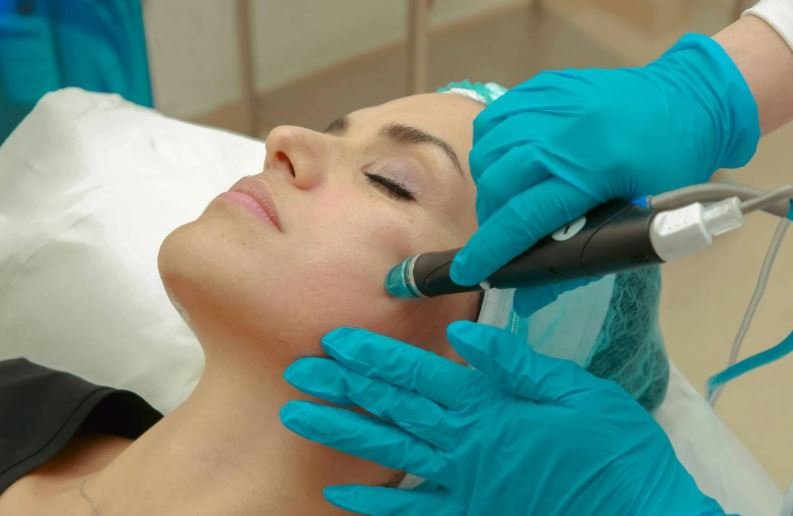
For many working professionals, taking a week or two away from meetings, clients, travel, and daily responsibilities simply does not fit the calendar. That reality has changed how some people approach cosmetic treatment. They still care about results, but recovery time now plays a larger role in the decision.
Recent numbers show how large the non-surgical side of aesthetic medicine has become. The International Society of Aesthetic Plastic Surgery reported that plastic surgeons performed about 17.3 million non-surgical aesthetic procedures worldwide in 2025. Botulinum toxin treatments accounted for 7.3 million procedures, while hyaluronic acid fillers accounted for another 4.7 million.
That demand makes sense for professionals who want targeted changes without planning a long absence from work.
Why Downtime Has Become Part of the Decision
A cosmetic procedure does not happen in isolation from the rest of life. A manager may have a presentation on Thursday. A consultant may fly to another city the following week. A business owner may meet customers every day.
For that reason, patients increasingly look at the full treatment timeline rather than the procedure itself. They want to know how long an appointment takes, whether bruising or swelling may occur, and when they can comfortably return to normal activities.
Nasal contouring offers one example. Some people who want to address a bump, asymmetry, or certain profile concerns may consider a liquid nose job without surgery rather than traditional rhinoplasty. The procedure uses injectable filler to change selected contours without surgical incisions.
Dr. Cameron Rokhsar of the New York Cosmetic, Skin & Laser Surgery Center has extensive experience with non-surgical nasal contouring and was an early physician researcher in this area. Treatments like this illustrate why minimally invasive options appeal to patients who want a focused change but have limited room in their schedule for surgical recovery.
Which Procedures Can Fit a Busy Schedule
“Less downtime” covers a wide range of treatments. It does not mean that every procedure has zero recovery or that every patient reacts the same way. Still, several common treatments usually involve a much smaller interruption than surgery.
| Procedure | Common Goal | Scheduling Consideration |
|---|---|---|
| Neuromodulators | Soften expression lines | Short appointment with limited routine interruption |
| Dermal fillers | Restore volume or adjust facial contours | Bruising and swelling can occur |
| Liquid rhinoplasty | Adjust selected nasal contours | No surgical incision, but swelling may occur |
| Non-surgical skin tightening | Address mild skin laxity | Recovery depends on the device and treatment intensity |
| Laser treatments | Improve pigment, texture, scars, or signs of aging | Downtime ranges widely by laser type |
The American Society of Plastic Surgeons reported that neuromodulators and hyaluronic acid fillers made up 80 percent of minimally invasive plastic surgery procedures in the United States during 2025.
The popularity of these treatments does not mean surgery has lost its place. Surgery can achieve changes that injectables and devices cannot. The difference is that patients now have more options between doing nothing and undergoing an operation.
The Tradeoff Between Convenience and Capability
A shorter recovery sounds attractive, but patients should understand what non-surgical treatments can and cannot accomplish.
Consider nasal filler. It can add volume in carefully selected areas and change how the nose appears from different angles. It cannot physically reduce the size of the nose in the way surgery can. It also cannot correct structural breathing problems such as a deviated septum.
The same principle applies to other treatments. Filler can restore lost facial volume, but it cannot reproduce the effect of a surgical facelift. Skin tightening devices may improve mild laxity, but they do not remove large amounts of loose skin.
This distinction matters for busy patients. Choosing the fastest option makes little sense if that option cannot address the actual concern. A consultation should start with the desired outcome, followed by a discussion about recovery, timing, cost, and risk.
Less Downtime Still Comes With Medical Risk
Patients sometimes associate a quick appointment with a simple procedure. That can create a false sense of security.
Dermal fillers are medical treatments. Common reactions include swelling, redness, pain, tenderness, and bruising. More serious complications can occur if filler enters a blood vessel. The U.S. Food and Drug Administration warns that vascular injection can cause tissue death, vision problems, blindness, or stroke. The FDA also states that injecting dermal filler into the nose is not an approved use.
That makes provider selection especially relevant for areas with complex vascular anatomy.
A patient’s research should go beyond before-and-after photos. Credentials, medical training, experience with the specific procedure, and the ability to manage complications all matter. People comparing providers can also use resources such as the Smarfle directory of dermatologists in Brooklyn as one starting point for local research before reviewing individual physician qualifications.
How Different Treatments Affect the Workweek
Professionals should think about visible recovery, not only the medical definition of downtime. A person may technically return to work while still dealing with swelling or bruising that feels uncomfortable during an important presentation.
| Situation | Practical Planning Approach |
|---|---|
| Major presentation or interview | Avoid scheduling a first-time injectable immediately beforehand |
| Business trip | Leave room for unexpected swelling or follow-up care |
| Video-heavy workweek | Ask what visible changes commonly occur after treatment |
| Wedding or major event | Schedule well before the event rather than a few days before |
| Regular exercise | Ask when strenuous activity can safely resume |
Past experience can help with planning, but it cannot predict every reaction. A treatment that caused little swelling once may produce a different response later.
Cosmetic Care Is Becoming Easier to Fit Around Work
Busy professionals have not stopped caring about cosmetic results. They have become more selective about how treatment fits into the rest of their lives.
The growth of minimally invasive procedures gives patients more ways to address specific concerns without automatically committing to surgery and a long recovery. Injectables, selected laser treatments, and energy-based procedures can work well for the right person and the right goal.
The best choice still depends on anatomy, expectations, medical history, and the scale of the desired change. Recovery time belongs in that conversation, but it should not control it. When patients balance convenience with realistic goals and qualified medical care, they can make treatment decisions that work better with both their appearance goals and their professional lives.
