
Mediation gets tough when your restriction note sits buried in a clinic portal, your pay history lives in payroll software, and the insurer’s denial hides in its own email thread. Good preparation with a Minnesota workers’ compensation mediation lawyer means pairing every disagreement with the document backing your position.
This is general legal information; your own injury and disputed benefits shape what applies. A rehab file may lay out a proposed work plan that your employer’s email barely mentions, so keep both close when you compare accounts. Set a dated restriction note beside your actual duties write-up and the modified-duty offer. When records clash, a Minnesota workers’ compensation mediation lawyer can tie a denied benefit to the medical and wage evidence sitting in the mediation file.
What Minnesota Workers’ Compensation Mediation Can Address
A negotiation guided by a neutral mediator
Per the Minnesota Department of Labor and Industry’s alternative dispute resolution materials, mediation is a negotiation guided by a neutral third party. You and the employer or insurer talk through the disagreements each side has named. The mediator keeps the conversation moving; no medical exam happens there, and nobody rules on your dispute the way a judge would at a hearing. Medical evidence and accurate wage records still carry your position.
Many disputes center on treatment authorization or unpaid bills. Wage-loss math and permanent partial disability ratings surface as well. Restrictions and vocational rehabilitation can land on the agenda too, so jot down which questions your session will cover.
Why a W-2 technology role changes the evidence
Employers file Form W-2 to report remuneration and applicable tax withholding for employees. It won’t establish medical causation, benefit entitlement, or what a disputed claim is worth. A title like “software engineer” can hide sustained keyboard work or incident-response duty. Write down mouse use, long sitting stretches, and the concentration and screen-time the job demands. Note server lifting or required travel. Keep rotating on-call schedules and production deadlines on file, and record how remote or hybrid setups change those duties.
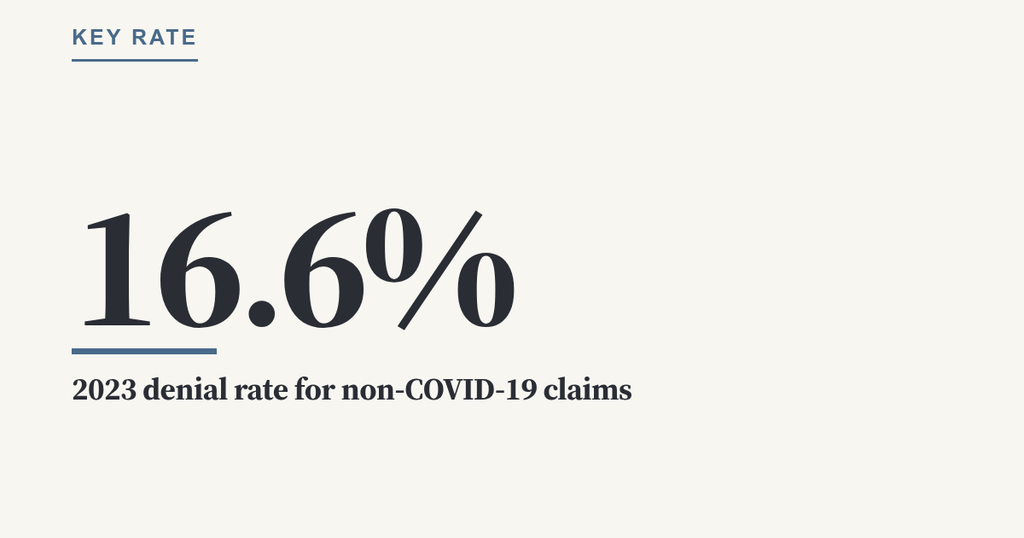
In its July 31, 2024 trends release, the Minnesota Department of Labor and Industry put the 2023 denial rate for non-COVID-19 claims at 16.6%, down from 17.4% in 2022. That figure covers the entire state; it can’t predict your claim. Your file still needs proof of what you do all day, not just a human-resources template.
What Documents to Bring to Mediation
Bring an indexed set: medical records, payroll documents, job-duty proof, work restrictions, insurer correspondence, and vocational rehabilitation reports. Date each one and tie it to the question it answers.
Medical records and treatment evidence
Gather treating-physician reports and diagnostic results, plus physical or occupational therapy notes. Include referrals with treatment recommendations, plus any independent medical examination report. Pair current restrictions with follow-up care you expect. Keep written denials and utilization decisions beside the recommendation they answer. For disputed expenses, add itemized bills with mileage logs and receipts.
For disputed medical treatment in workers’ comp mediation, pin down the recommendation itself and who wrote it. Then attach the insurer’s response. Note why the provider recommended the treatment and whether your physician addressed work causation or medical necessity. For disability-rating disputes, include every rating report and the basis stated in it.
Wage records for salaried and hourly IT employees
Bring pay stubs and payroll histories, W-2 forms, and employment agreements. Add time records and proof of post-injury earnings. Tie overtime and shift differentials to their pay periods, and keep bonus records and on-call pay terms.
Salaried IT pay often runs past base salary. A single stub can hide reduced hours; paid leave can blur when wage loss truly began. A temporary remote assignment may change your duties without touching your title. Don’t assume stock awards or discretionary bonuses receive any particular legal treatment. Flag those categories for case-specific analysis.
A document matrix that exposes missing proof
| Disputed issue | Records to match together | IT-specific detail to document | Question the file should answer |
| Medical treatment | Provider recommendation; diagnostic findings; insurer response | Symptoms affecting keyboarding or sitting; screen use or equipment handling | What treatment remains disputed, and why? |
| Wage loss | Pay history; time records; leave records; post-injury earnings | Salary and on-call pay; overtime and bonuses; reduced schedule | Which pay period or earning component is contested? |
| Work restrictions | Restriction slips; job description; manager communications; modified-duty offer | Remote work and breaks; concentration demands and production incidents | Can you perform the proposed assignment within the restrictions? |
| Vocational rehabilitation | Qualified Rehabilitation Consultant (QRC) reports; rehabilitation plan; job-search records; labor-market information | Transferable technical skills; certification needs; feasible roles | What return-to-work objective remains unresolved? |
Use the matrix as an index to your supporting documents. An empty cell signals missing evidence or an unanswered question; write down what to request.
How to Prepare With a Minnesota Workers’ Compensation Mediation Lawyer
To understand how to prepare for workers’ compensation mediation, organize your records by disputed issue and date, then compare competing positions before drafting questions about proposed terms. Give each issue its own tab.
1. Create a dated claim chronology
Open the chronology with your injury or first symptoms. Log reporting dates and appointments, then restriction changes and benefit payments. Add denials, modified-duty proposals, and vocational events. Put a document date and page reference beside each entry. For repetitive-use injuries, keep your symptom history separate from any legal conclusion about the injury date; don’t pick a date to fit a hoped-for outcome. Preserve what the records show.
2. Reconcile conflicting records
Lay restriction slips against actual duties, and payroll entries against benefit calculations. Line up treatment recommendations with insurer letters. A duty write-up may leave out on-call work; a restriction note may lack an end date; a pay calculation may skip bonus treatment. Treat these as discrepancies to clarify, never as proof of dishonesty. Request clarification without rewriting the original documents.
Flag each conflict in the file.
3. Define each unresolved issue in one sentence
“The case is unfair” names no benefit and no competing position. Each issue statement needs a relevant period and supporting records. For instance: “The unresolved issue is whether therapy recommended on May 6 should be authorized, because the treating physician ties it to the work injury; the insurer disputes necessity.”
For wage loss: “For the June pay period, the calculation omits documented on-call pay; the insurer’s worksheet counts base salary only.” Another might read: “I dispute the July modified-duty proposal because uninterrupted keyboard work conflicts with my restriction; the employer calls the assignment suitable.”
4. Prepare questions and decision points
Once each issue has its sentence, move to the questions. Ask what terms the other party proposes and which issues would stay open. Note any documents still missing that keep you from evaluating an offer. Find out what comes next if talks stall, and write that answer beside the session notice.
Review Future Treatment and Earning Concerns Before an Agreement
Future medical care needs a concrete record
Review pending referrals and anticipated procedures against your physician’s written recommendations. Include medication management and therapy plans, plus any work-hardening recommendation. Check how long restrictions should last against the next follow-up appointment.
A possible procedure isn’t a scheduled operation. Keep your predictions separate from documented recommendations. If future care stays uncertain, ask how proposed terms handle that uncertainty and where the insurer stands on the recommended care.
Return-to-work restrictions must fit your day-to-day role
A remote position can still demand rapid keyboard work and repeated mouse use. Long sitting stretches and sustained focus can clash with restrictions, especially when incident response is unpredictable. Working from home by itself proves nothing about suitability.
To address return to work restrictions in mediation, compare essential duties with your written limits. Weigh the proposed schedule against break requirements and productivity expectations. Account for travel or equipment handling, then nail down the accommodation’s duration. Line up the assignment’s expected hours with your documented post-injury earnings.
Vocational evidence can clarify earning capacity
QRC reports and rehabilitation plans can surface return-to-work goals nobody has resolved. Job-search records and labor-market data test assumptions about which technical roles exist. Compare transferable skills against certification requirements and the duties your restrictions allow. QRC eligibility and retraining options are specific to each claim. Keep any existing plan beside the proposed vocational terms.
Settlement language deserves line-by-line review
Minnesota Statutes, section 176.521 governs workers’ compensation settlement agreements and their approval. The effect of particular language flows from the specific agreement and claim, so obtain case-specific advice on your own draft before agreeing to it.
A proposed agreement can reach past the immediate payment. Map the covered claims and dates, then check which benefits stay open and what future obligations the terms address. Negotiating isn’t the same as a completed, approved agreement. Ask for clarification on any provision that doesn’t match your understanding.
Workers’ Compensation Mediation Checklist for the Final Review
A final pass before the session
Sit down the week before and test everything. Use this workers’ comp mediation checklist to open your index and locate a document for every dispute. Keep the latest restriction note within reach, and verify the session arrangements against the notice.
- The chronology tracks injury history, treatment dates, restriction changes, benefit notices, and vocational events.
- Each medical recommendation sits beside the insurer’s response to it.
- Current restrictions name the issuing physician, the effective date, and how long they should last.
- You have documented your actual IT duties beyond the title on paper.
- Payroll records explain salary, hours, paid leave, and additional compensation.
- Post-injury earnings and schedule changes sit in order by pay period.
- You have organized dated correspondence with the insurer and employer, together with attorney and QRC communications.
- Each unresolved issue reads as one sentence, with its supporting records attached.
- You have checked future treatment and earning concerns against the proposed settlement terms.
Walk In With a File You Can Explain
A useful mediation file ties each disputed issue to dated evidence, never to memory. Your medical recommendations should explain the treatment request; your payroll entries should name the contested earning period. Duty records need to show what the proposed assignment demands, and vocational reports should name the open work objectives. Gaps belong on your question sheet before you evaluate terms. You don’t need to disguise uncertainty or force conflicting records into agreement. When you open the file, the restriction note or pay period you need should be one motion away, with the recommendation and the insurer’s response right behind it.
