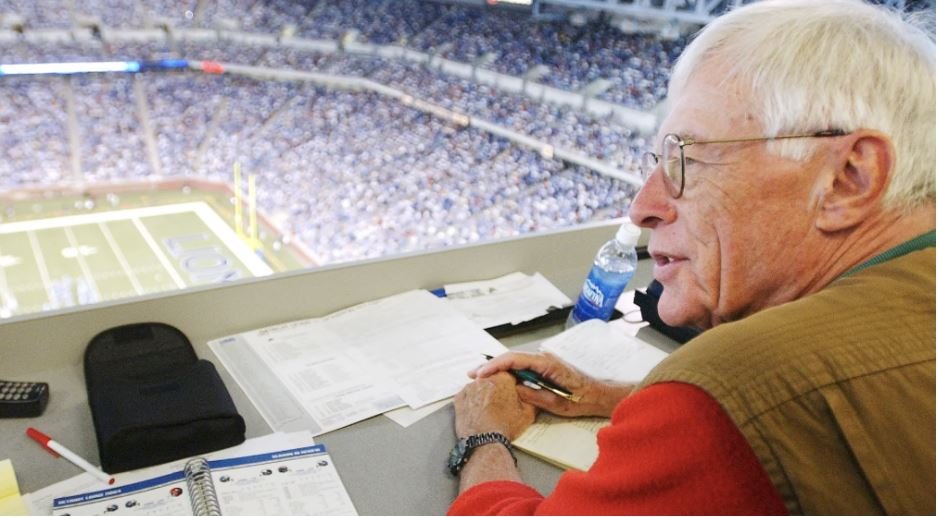
Sports journalism is one of the most competitive fields in media. For every visible reporter on the sidelines, there are thousands of writers, photographers, and analysts working behind the scenes to earn credibility, access, and trust. Building a career in this space rarely follows a straight line, but there is a pattern to how successful sports journalists break in and move up.
This article explores what that path actually looks like, from early work to professional coverage.
Where Sports Journalism Really Begins
Most sports journalists don’t start with a press pass, they start with obsession.
Following a league closely, understanding its history, and knowing the stories behind the statistics are foundational. Whether it’s the NBA, NFL, MLB, NHL, or global leagues like the Premier League or Formula 1, deep familiarity with a sport is what separates surface-level coverage from real reporting.
Early on, this knowledge often turns into:
- Blog posts or newsletters
- Game recaps for school or local publications
- Social media breakdowns or analysis
- Podcast appearances or fan-driven media projects
These early efforts may be unpaid, but they establish a voice and demonstrate commitment.
Developing a Reporting Voice That Editors Trust
Editors look for sports journalists who can do more than recap scores. Strong reporting combines context, accuracy, and storytelling.
This means learning how to:
- Interview athletes, coaches, and staff respectfully
- Verify quotes and statistics
- Write under tight deadlines
- Balance analysis with fairness
Trust is currency in sports journalism. Once an editor trusts your accuracy and professionalism, opportunities expand quickly.
Credentials, Access, and the Reality of the Industry
Press credentials aren’t handed out easily. Leagues and teams want to ensure coverage is responsible, factual, and beneficial to the public.
To qualify for access, journalists typically need:
- Consistent publication history
- A recognized outlet or assignment
- Professional conduct and ethical reporting
Coverage often starts at:
- High school or college sports
- Minor leagues
- Development leagues or regional teams
From there, journalists may earn assignments covering major leagues like the NBA, NFL, MLB, NHL, MLS, or international competitions.
The Role of Photography in Sports Journalism
Photography is inseparable from modern sports journalism. A strong image can define a moment just as much as a headline.
For writers and editors alike, understanding sports photography is critical, especially when covering top leagues like the NBA, NFL, Premier League, and Olympic sports.
Key skills include:
- Knowing how to source licensed editorial sports photography
- Understanding league-specific image restrictions
- Matching images to game context and story tone
- Avoiding commercial misuse of editorial photos
NBA game imagery, for example, is tightly controlled, and journalists must ensure photos are used strictly for editorial purposes. The same applies to leagues like the NFL, FIFA competitions, and Formula 1.
Even if you’re not a photographer, knowing how to work with images professionally makes your work more publishable and trustworthy.
Adapting to a Multimedia Sports Landscape
Today’s sports journalists rarely do just one thing. Many successful professionals write, edit, shoot photos, manage social media, and appear on video.
Career growth often involves:
- Producing short-form content for social platforms
- Understanding SEO and digital distribution
- Collaborating with photographers and video teams
- Learning basic data analysis and visualization
Versatility increases job security and opens doors to larger outlets.
Networking Without Chasing Clout
Sports journalism is a relationship-driven field, but genuine connections matter more than visibility.
Effective networking happens through:
- Covering events professionally
- Respecting embargoes and off-the-record conversations
- Supporting fellow journalists’ work
- Being reliable and easy to work with
Reputations travel quickly in sports media, for better or worse.
Long-Term Career Paths in Sports Journalism
A career in sports journalism can evolve in many directions:
- Beat reporter
- Columnist or analyst
- Photojournalist
- Editor or producer
- Team or league media roles
Some journalists remain independent freelancers, while others move into broadcasting or digital-first platforms. Many also transition into leadership roles within media organizations.
Final Thoughts
Building a career as a sports journalist takes time, persistence, and adaptability. It’s a field where credibility matters more than hype and where understanding both storytelling and visuals, especially high-stakes sports photography from leagues like the NBA and beyond, can set you apart.
Those who succeed aren’t just fans of the game; they’re professionals committed to documenting it accurately, ethically, and with respect for the moment.
